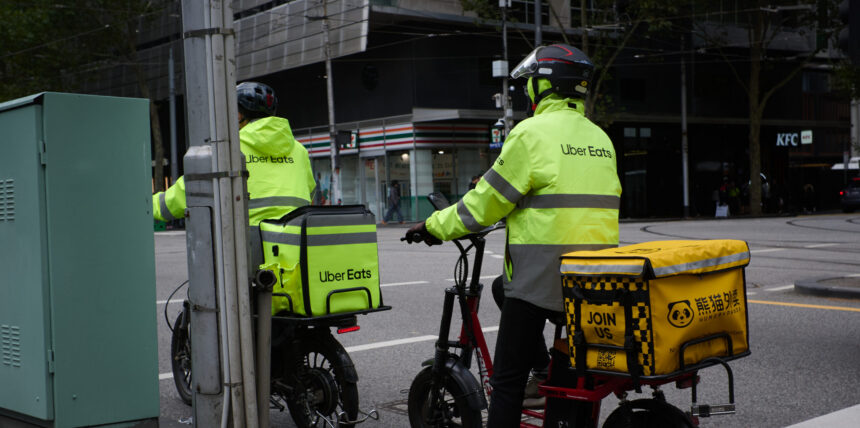
Australian gig economy delivery workers will receive minimum pay of at least $31.30 an hour for engaged time under new standards taking effect from 17 August 2026.
The Fair Work Commission (FWC) has issued its first minimum standards order for employee-like workers, introducing new pay and working conditions for independent contractors delivering food, drinks, alcohol and groceries through digital platforms.
Under the order, minimum safety-net rates will start at $31.30 an hour and range up to $32 depending on the type of vehicle used. The rates apply to engaged time, such as when a worker is completing a delivery or waiting for an order to be prepared, rather than all the time they are logged onto a platform.
The new standards also cover personal accident insurance, vehicle repairs, registration and expenses, record-keeping, fines, unpaid time away, dispute resolution and consultation over significant changes.
Platforms will be required to provide workers with a gig worker information statement and other information about their work, as well as establish feedback forums where workers can raise issues and discuss changes affecting them. The order also includes workplace delegate rights.
The Transport Workers Union (TWU) called the order a “landmark moment for the Australian gig economy”.
“Gig workers in Australia were left outside of our workplace systems for far too long. From Monday, they will be entitled to an absolute world-leading set of standards that we will build on over time,” TWU National Secretary Michael Kaine said in a joint statement with Uber Eats and DoorDash.
The new framework follows years of calls for greater protections for platform-based workers, who are typically engaged as independent contractors and therefore do not receive the same minimum employment entitlements as employees.
The order follows a joint proposal put forward by the TWU, Uber Eats and DoorDash in 2025 seeking industry-wide standards for areas including minimum pay, insurance, dispute resolution and worker representation.
The order covers employee-like workers engaged through apps to primarily collect and deliver food, drinks, alcohol or groceries to customers on demand. Workers using vehicles with a carrying capacity of more than one tonne are excluded.
The FWC is also considering separate minimum standards applications covering employee-like workers and road transport contractors performing last-mile delivery work. The Commission has indicated the on-demand delivery order may be reviewed as those applications progress.